Picture a Saturday that begins among the manga shelves of a neighborhood bookstore, continues with a pour-over coffee and a city-pop playlist, and ends with ramen after dark. You want an outfit that reflects your love of Japanese culture—but still feels natural everywhere you go.
The answer is not to wear every Japanese reference you own at once. It is to create a conversation between a statement piece and the quieter clothes around it.
Balanced Japanese-inspired dressing combines a clear focal point, intentional proportions, and details that feel personally meaningful. Minimalism provides breathing room; layers create depth; graphics and accessories tell your story.
For Japanese culture enthusiasts, this approach offers something more satisfying than dressing “on theme”: a way to make cultural interests part of everyday life.

1. Beyond Minimalism: Japan’s Quiet and Expressive Aesthetics
Japanese fashion is often described as minimalist. That captures only part of the picture.
The understated atmosphere of a traditional tea room belongs to a different aesthetic world from the exuberant experimentation associated with Harajuku. The bold lines of ukiyo-e woodblock prints offer another visual language altogether. Japanese-inspired clothing can draw from both restraint and theatricality without treating them as interchangeable.
A useful concept here is ma, often understood as an interval or meaningful space. Applied to styling—as an analogy, not a traditional dress rule—it suggests that what surrounds a statement matters as much as the statement itself.
A graphic becomes easier to appreciate when other elements do not compete with it.
Try It: A Japanese Ugly Sweatshirt for a Manga-Shop Afternoon
Make a japanese Ugly Sweatshirt the focal point, then add charcoal straight-leg trousers and simple sneakers.
If the sweatshirt features several colors, repeat one in a small accessory rather than introducing another palette. Let the artwork or pattern hold the attention.
The playful “ugly” label does not require a deliberately chaotic outfit. Its charm can come from contrast: an exuberant top against an otherwise composed silhouette.
Styling fix: If the look feels too busy, remove one competing element before replacing the statement piece.

2. Layering as a Small, Changing Composition
Layering has a rich cultural history in Japan. In Heian-period court dress, layered color combinations associated with kasane no irome could evoke seasonal relationships. Contemporary streetwear is not a direct continuation of that tradition, but the comparison offers an interesting lesson: a small visible edge of color can change the whole composition.
A shirt collar, cuff, or undershirt hem can create that effect without adding unnecessary bulk.
Try It: Japanese Shirts for a Kissaten-Inspired Weekend
A kissaten—a traditional Japanese-style coffee shop—offers a helpful mood reference: unhurried, characterful, and comfortable rather than aggressively trend-driven.
For a bookstore-and-coffee outing, wear a button-front style from your japanese shirts rotation open over an ecru T-shirt. Add dark denim or olive trousers.
If the shirt has a prominent print, keep the base layer plain. If it is understated, introduce interest through texture or a carefully chosen color contrast.
Styling fix: Use a thin base layer and check sleeve room. Buying every garment oversized often creates bunching rather than depth.

Try It: A Japanese Ugly Cardigan Sweater for Cooler Evenings
A japanese Ugly Cardigan Sweater works well when your day moves between outdoor walks and indoor cafés.
Wear it over a plain tee, with relaxed trousers that fall cleanly over your shoes. Leaving the cardigan open reveals the base layer and breaks up a visually dense pattern.
For a seasonal palette, consider cream with rust in autumn or pale blue with charcoal in spring. These are contemporary styling suggestions, not prescribed Japanese color rules.
3. Let Cultural References Be Personal, Not Decorative
For many enthusiasts, Japanese-inspired clothing begins with a genuine interest: folklore, cinema, food culture, typography, or illustration.
That personal connection makes an outfit more compelling than a collection of unrelated symbols.
If a garment features imagery you recognize, let it lead. A yōkai motif might connect with your interest in folklore; a woodblock-style composition might appeal to your love of Japanese printmaking. These are examples to look for, not assumptions about any particular Tokyo-Tiger product.
Avoid assigning a deep traditional meaning to every wave, animal, or Japanese character. Check the product description, and if text is central to the design, understand what it says.
A useful shopping question: Would I still enjoy this design if nobody else recognized the reference?
If the answer is yes, the piece is more likely to become part of your wardrobe rather than a short-lived novelty.

4. Mix Style Languages Without Losing the Thread
Japanese street-fashion scenes have often made room for reinterpretation: sportswear beside tailoring, workwear beside playful accessories, vintage clothing beside contemporary graphics.
The practical lesson is not “anything goes.” It is to create contrast while keeping one element consistent—perhaps color, silhouette, or the level of formality.
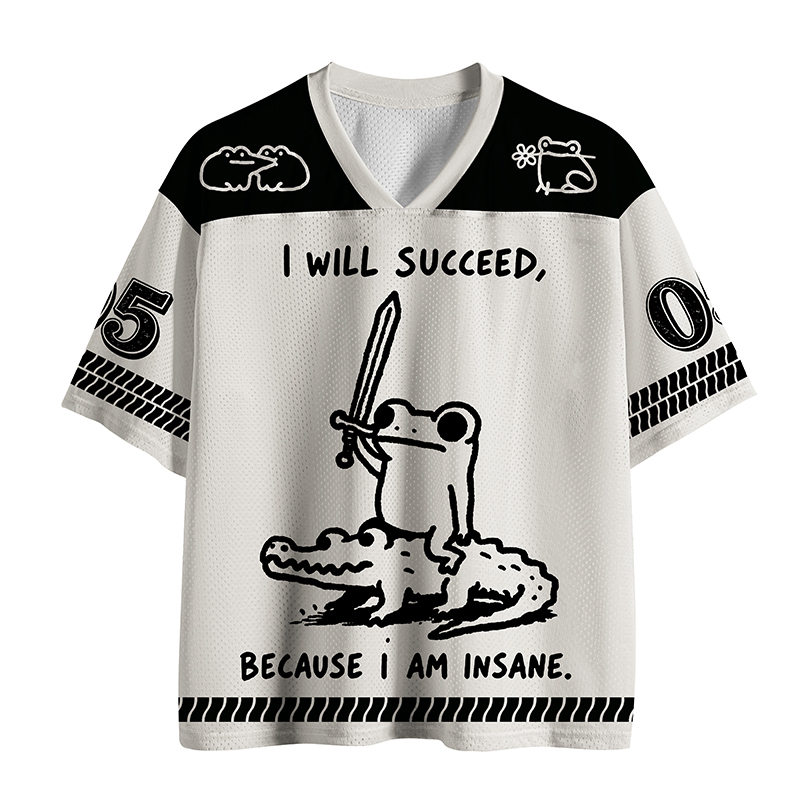
Try It: A Japanese Mesh Jersey for an Anime Event
A japanese Mesh Jersey can suit a fan gathering or anime convention when you want an expressive outfit without wearing cosplay.
Pair it with relaxed, solid-color trousers and comfortable sneakers. A lightweight tank underneath can provide coverage if the material is open or sheer.
Check the specific garment’s fiber content and construction: mesh does not automatically guarantee cooling or opacity. Convention halls also vary in temperature, so a removable overshirt may be useful.
Styling fix: If the jersey is wide and visually bold, choose trousers with a clean shape rather than multiple straps, prints, and bulky pockets.
Try It: A Japanese Hoodie for an Evening Record-Store Visit
Wear a japanese hoodie with straight-leg denim and, when needed, a roomy jacket.
For anyone drawn to Japanese denim and workwear culture, the contrast between a soft graphic hoodie and structured jeans offers an approachable starting point.
Styling fix: Check the hoodie’s hem and the jacket’s shoulder room. If the layers restrict movement or hide the design you wanted to showcase, simplify.
5. Build a Wardrobe Like a Collection—not a Costume
A beloved record collection develops around personal taste. A satisfying wardrobe can work the same way.
Instead of purchasing an entire “Japanese aesthetic,” identify the role your next piece should fill:
| Your everyday need | A useful starting point | Keep the balance with |
| An expressive casual outfit | Japanese Ugly Sweatshirt | Plain trousers and simple shoes |
| Flexible indoor-outdoor layering | Japanese shirts | A lightweight neutral base |
| A removable statement layer | Japanese Ugly Cardigan Sweater | Clean lines underneath |
| A sporty fan-event look | Japanese Mesh Jersey | Solid bottoms and suitable coverage |
| A comfortable cooler-day foundation | Japanese hoodie |
Explore Tokyo-Tiger’s Best Seller collection with your own routines in mind. Check individual listings for current availability, measurements, materials, and care instructions.
The best purchase is not necessarily the loudest design. It is the one you can wear to your favorite places—and recognize as your own.

FAQ
1. Can I wear Japanese-inspired fashion without dressing minimally?
Absolutely. Japanese fashion includes expressive, graphic-heavy styles as well as restrained ones. Balance does not mean removing personality; it means deciding what you want people to notice first.
2. How can I show appreciation for Japanese culture without looking costume-like?
Choose references you genuinely enjoy, understand visible text where possible, and combine statement clothing with your everyday wardrobe. Avoid treating distinct traditions, subcultures, and symbols as one interchangeable aesthetic.
3. What is the easiest layering combination for a beginner?
Start with a plain T-shirt, a button-front Japanese shirt or cardigan, and straight-leg trousers. Keep the base lightweight, give the outer layer enough sleeve room, and use one main graphic or pattern.