In today’s world, fashion is more than what you wear — it’s what you believe in.
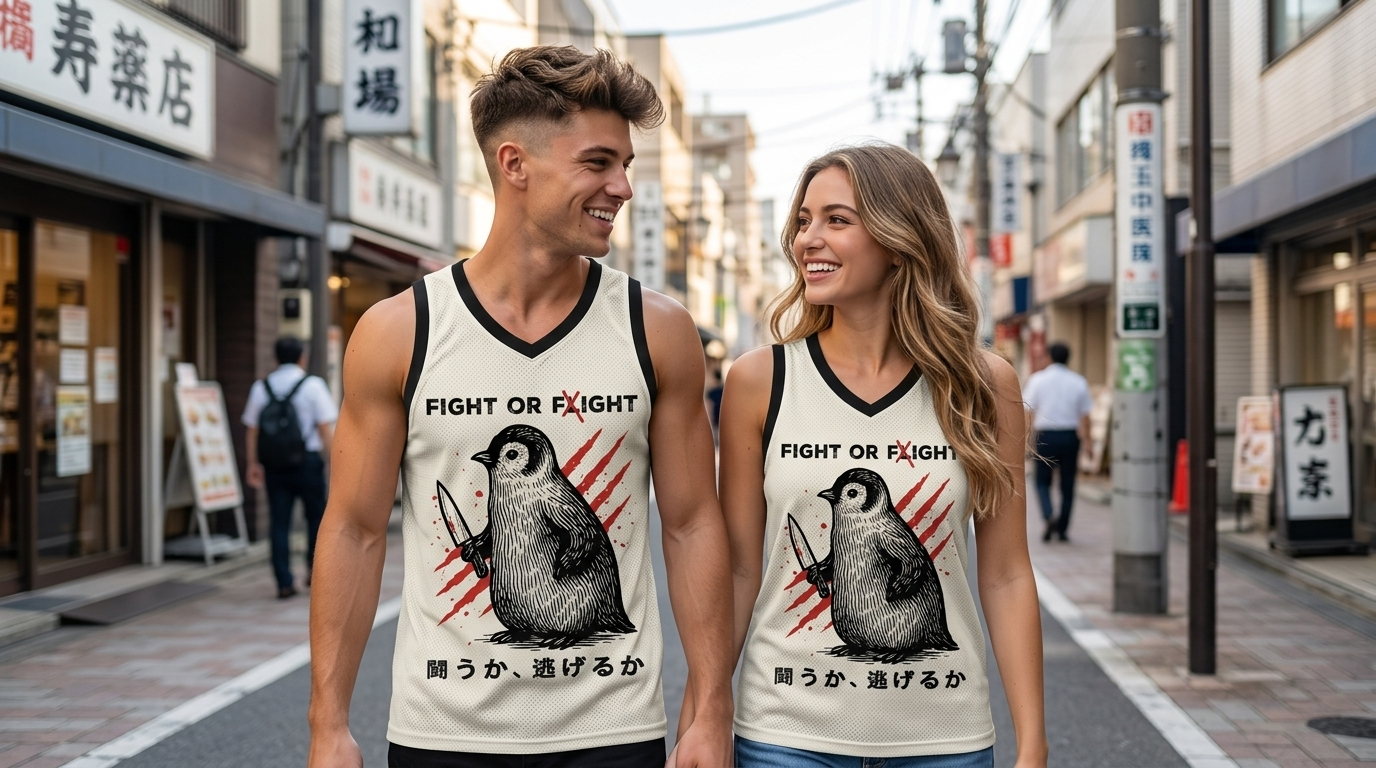
At Tokyo-Tiger, every thread tells a story of identity, craftsmanship, and cultural connection. The brand’s newest collection of Japanese mesh tank tops revives traditional Japanese values through modern streetwear design, creating a perfect fusion of history and youth creativity.
From the bustling corners of Shibuya to quiet Kyoto temples, Japanese fashion has always been about emotional storytelling. And now, that story is reimagined for a generation that values authenticity, culture, and sustainability as much as style.
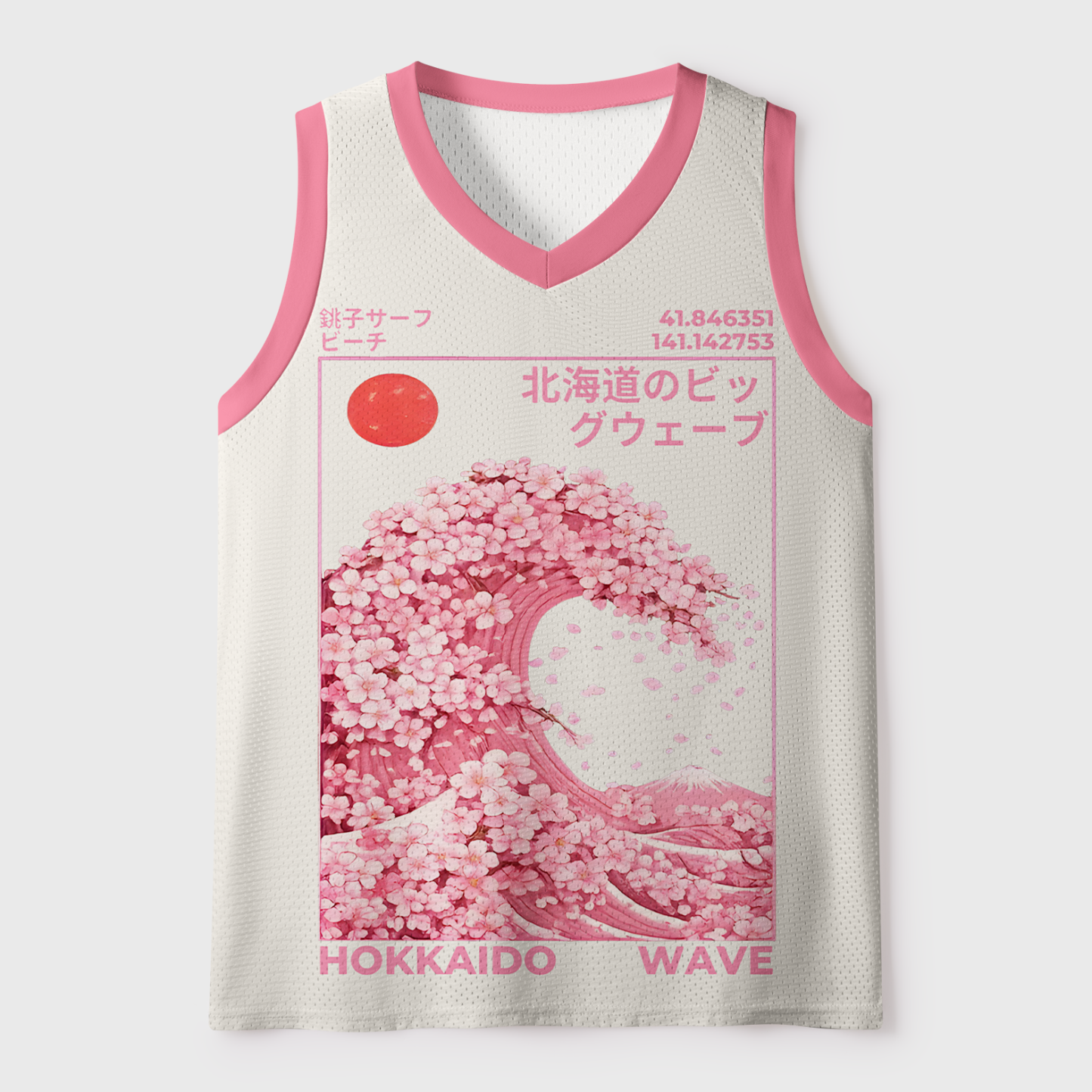
Let’s explore how Tokyo-Tiger’s Japanese mesh tank tops reflect the essence of Japan — its design philosophy, cultural symbols, and spirit of innovation — while speaking to the youth of today.
The Heart of Japanese Design Philosophy
Japanese aesthetics are grounded in a few timeless concepts, and these values shape how every Tokyo-Tiger mesh tank top is imagined, designed, and crafted.
- Wabi-Sabi : The art of imperfection and simplicity. This unique idea sees beauty in what’s natural, asymmetrical, and imperfect. The breathable texture and organic shape of a mesh tank reveal this understated beauty — nothing flashy, yet full of quiet strength.
- Ma: The beauty of space. In architecture, art, and now fashion, Ma celebrates empty space as a source of harmony. The air-filled pores of a mesh fabric embody this principle, allowing balance between material and movement.
- Iki: A refined, effortless coolness. This spirit defines much of Tokyo’s street style — elegance without pretension, attitude without arrogance.
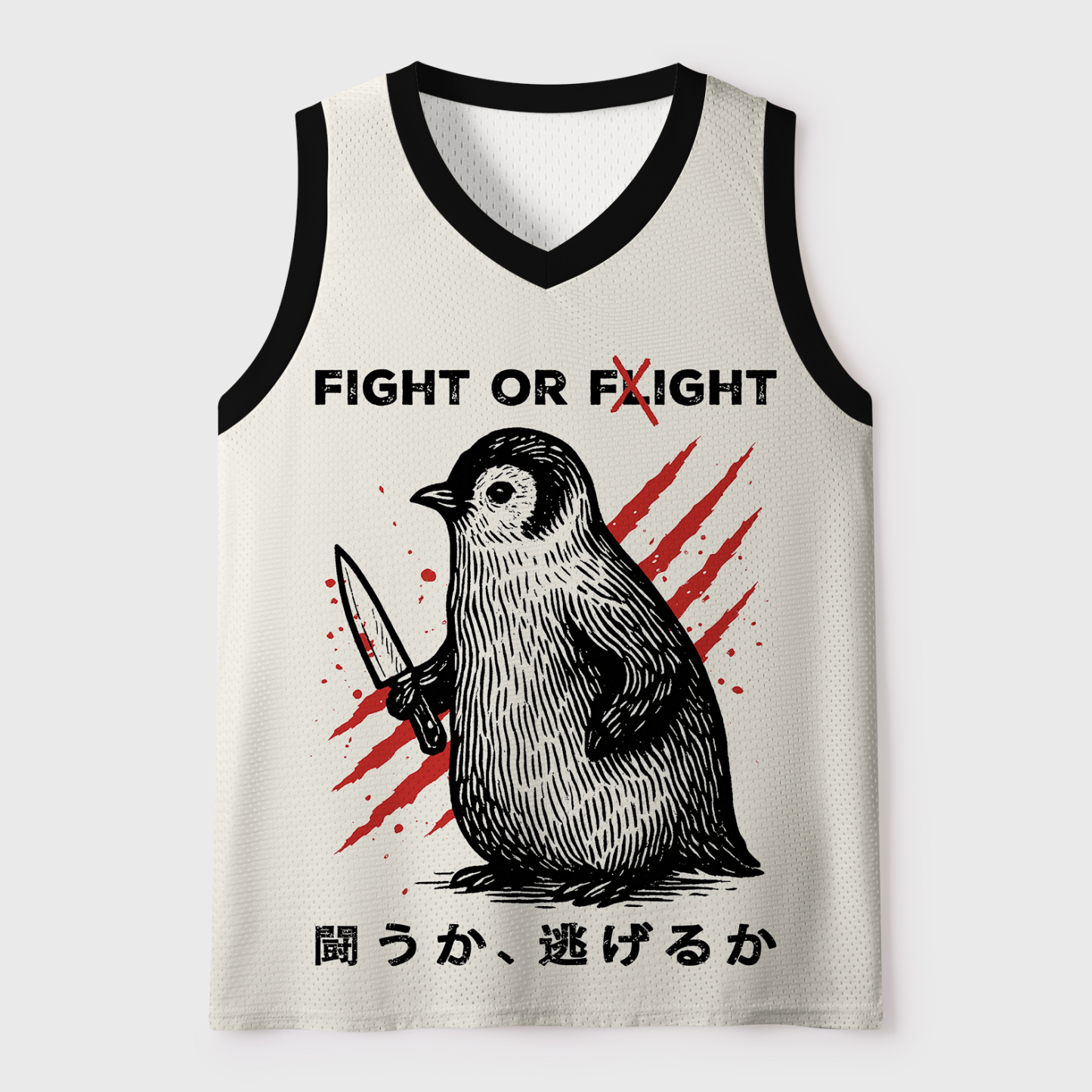
Tokyo-Tiger translates these ideologies into modern fashion language — merging minimalism and rebellion, mindfulness and motion. Each tank top doesn’t just look Japanese. It feels Japanese.
Between Tradition and Innovation
Japanese culture is rooted in preserving traditions while embracing new possibilities — from centuries-old tea ceremonies to futuristic robotics. Tokyo-Tiger mirrors this relationship in fashion.
Historically, Japanese clothing combined artistry and functionality — from samurai armor (yoroi), designed for strength and mobility, to the lightweight yukata made for breathability. The Japanese mesh tank top reinterprets both: it is lightweight yet protective, modern yet timeless.
The innovative mesh material is not a random design choice. It echoes Japan’s admiration for structure and precision. Each microscopic opening represents crafted control — a balance between freedom and order.
In a world where fast fashion races after trends, Tokyo-Tiger moves differently. It follows the tempo of Japanese culture: thoughtful, deliberate, and purpose-driven.
The Symbolism Behind Mesh — Breathing with Nature
Nature is central to the Japanese worldview. From the brushstrokes of ancient paintings to the layout of tea gardens, Japanese design consistently strives to exist in harmony with the natural world.
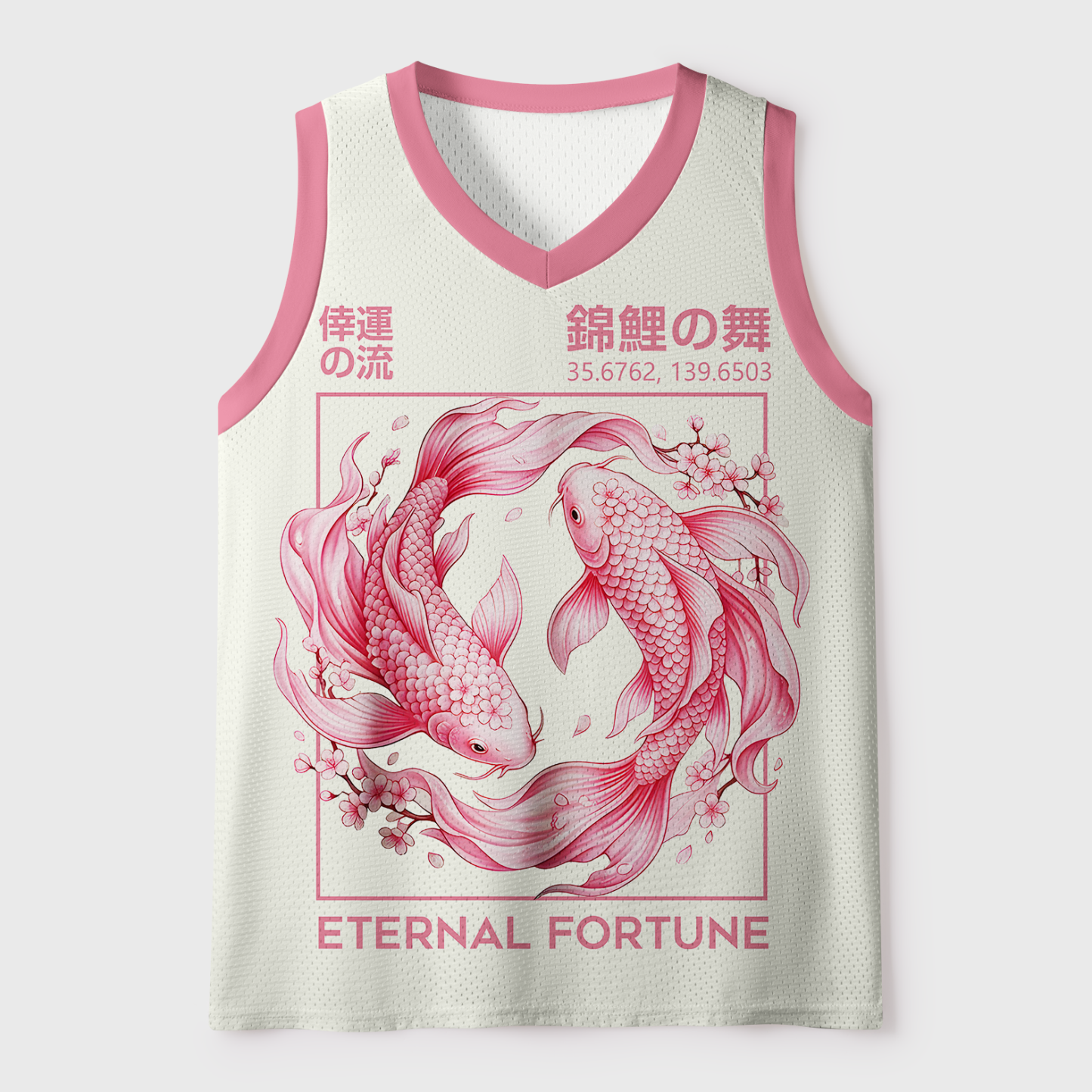
The airy structure of the mesh tank top symbolizes wind and water, two vital elements in Japanese life. Wind represents freedom, fluidity, and change — values that resonate deeply with young people exploring their identity. Water symbolizes renewal, resilience, and adaptability — qualities that align with the rhythm of modern life.
Wearing a Tokyo-Tiger mesh tank top offers more than just comfort in the summer heat; it is a way of wearing nature’s calm and balance.
Youth Identity and the Spirit of Tokyo
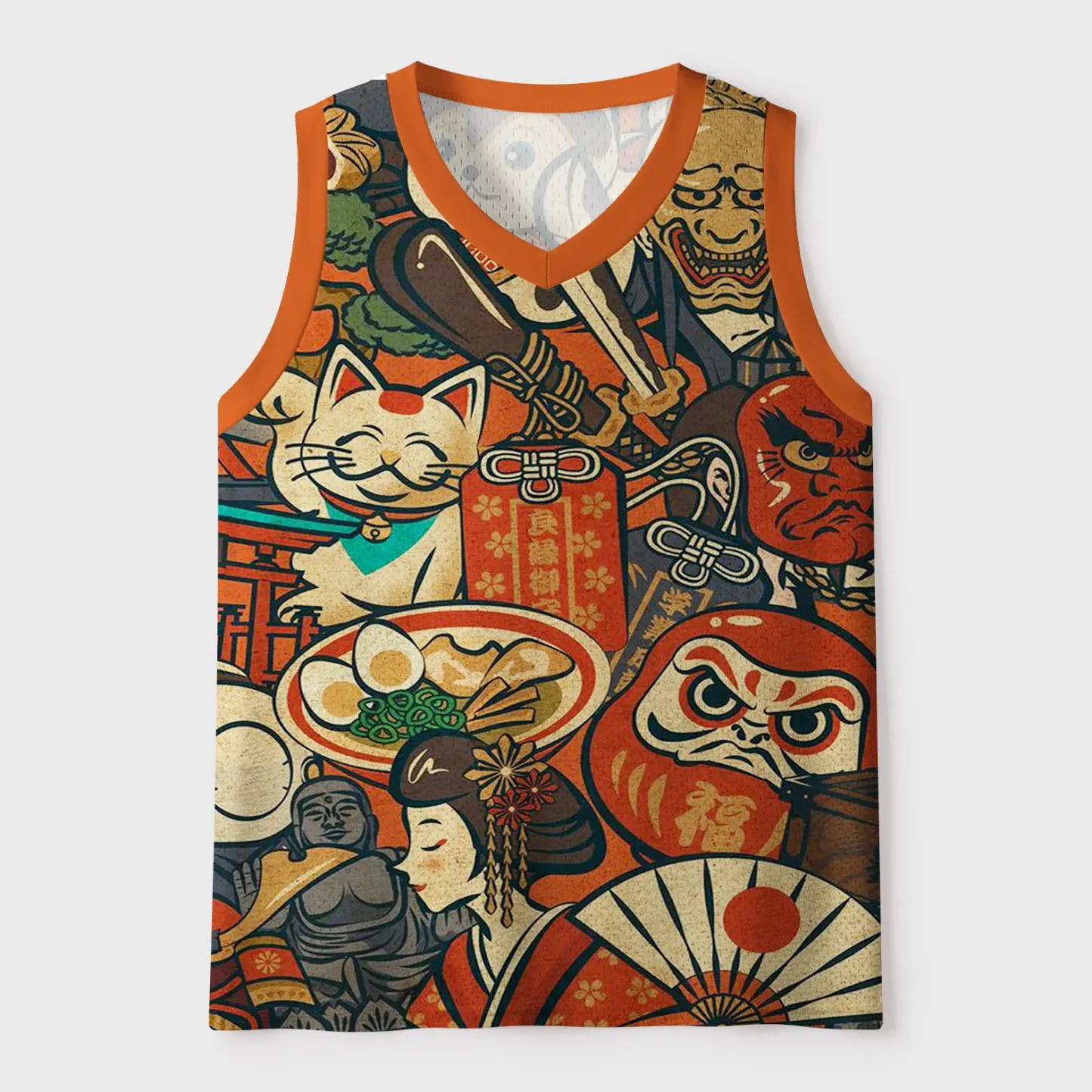
Walk through Harajuku, Shibuya, or Shimokitazawa, and you’ll meet a generation redefining what fashion means. They mix heritage with street rebellion, vintage with techwear, classic with chaotic — and it works.
Tokyo-Tiger’s Japanese mesh tank tops belong in this creative ecosystem. They’re versatile, genderless, and expressive — perfect for a young generation that values individuality and self-expression.
For many young people outside Japan who admire the culture — from anime and calligraphy to Japanese street fashion — Tokyo-Tiger offers a tangible connection. You’re not just wearing a tank top; you’re wearing a piece of modern Japan — its optimism, its creativity, and its respect for artistry.
Just like Japanese youth who redefine norms daily, the Tokyo-Tiger mesh tank represents quiet confidence: it doesn’t shout; it asserts.
Wearing Tradition with Modern Edge
Fashion is storytelling through outfits, and layering plays a big role in Japanese styling philosophy. The mesh tank is an essential piece for layering — easy to combine, visually interesting, and deeply symbolic.
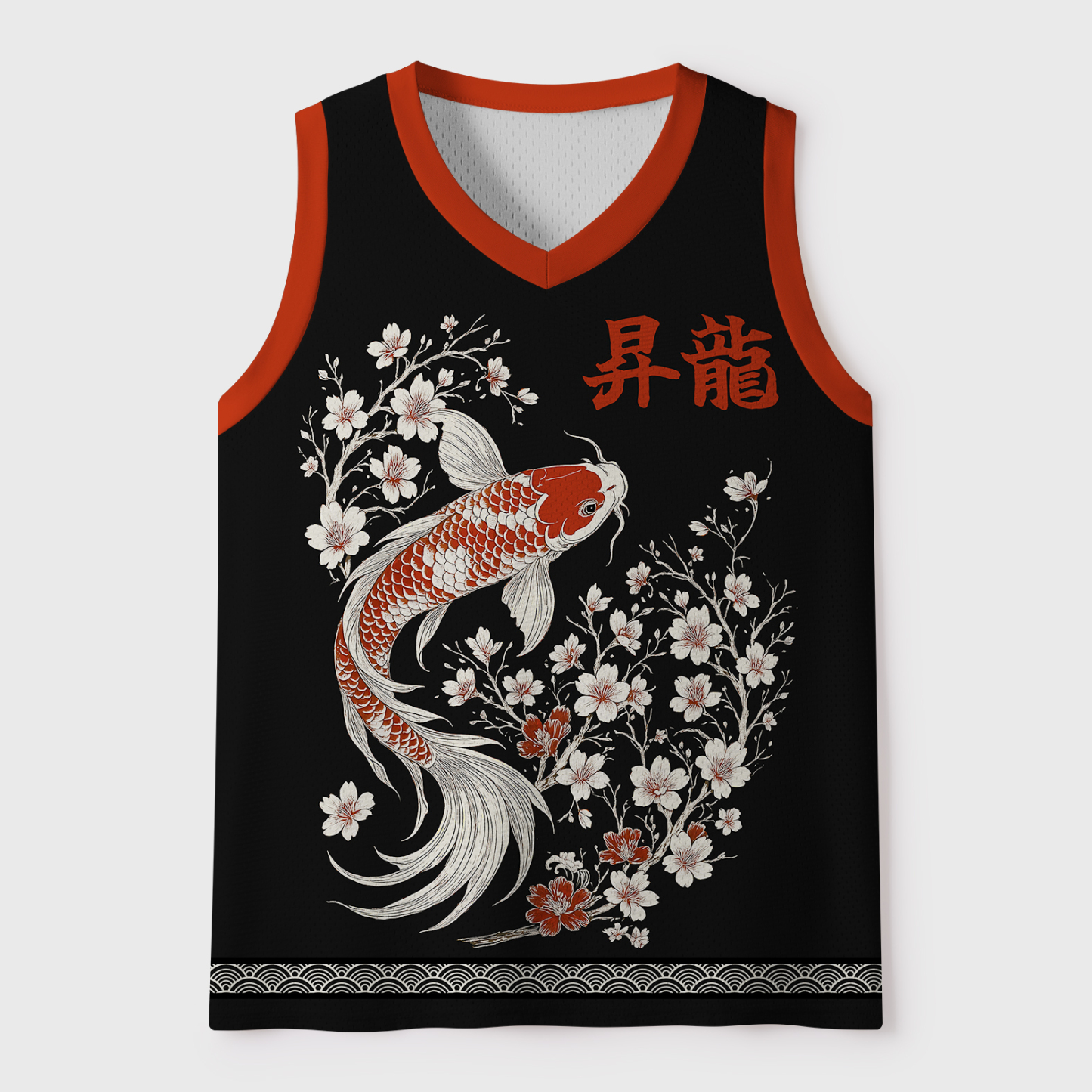
Here’s how you can style a Tokyo-Tiger Japanese mesh tank top to channel both culture and coolness:
- The Heritage Layer: Pair your tank under an open kimono-style shirt or a lightweight overshirt with Japanese motifs — koi (perseverance), crane (longevity), or sakura (beauty in impermanence). It’s modern streetwear rooted in cultural significance.
- The Minimalist Zen Look: Choose a monochrome mesh tank with loose linen or wide-leg pants. Add traditional geta-inspired sandals for a minimalist, sustainable silhouette.
- Shibuya Mix: For a more playful approach, layer printed Hawaiian or Japanese graphic shirts over a Tokyo-Tiger mesh tank. Japan and Hawaii share cultural ties through history — both island cultures that celebrate prints, comfort, and optimism.
- Gender-Neutral Street Aesthetic: Oversized fits, cropped layers, and statement sneakers — because Tokyo style belongs to everyone.
Each styling possibility creates a new connection between heritage and self-expression — making the tank much more than just a base layer. It’s wearable culture.
Craftsmanship and Sustainability: The Mottainai Mindset
The Japanese idea of Mottainai — “don’t waste what’s precious” — defines Tokyo-Tiger’s production philosophy. Sustainability isn’t treated as a marketing buzzword but as a moral foundation.
Mesh tank tops are designed to last — built with durable yet soft fabrics, careful stitching, and timeless cuts that transcend trends. Instead of overproduction, Tokyo-Tiger focuses on long-term wearability.
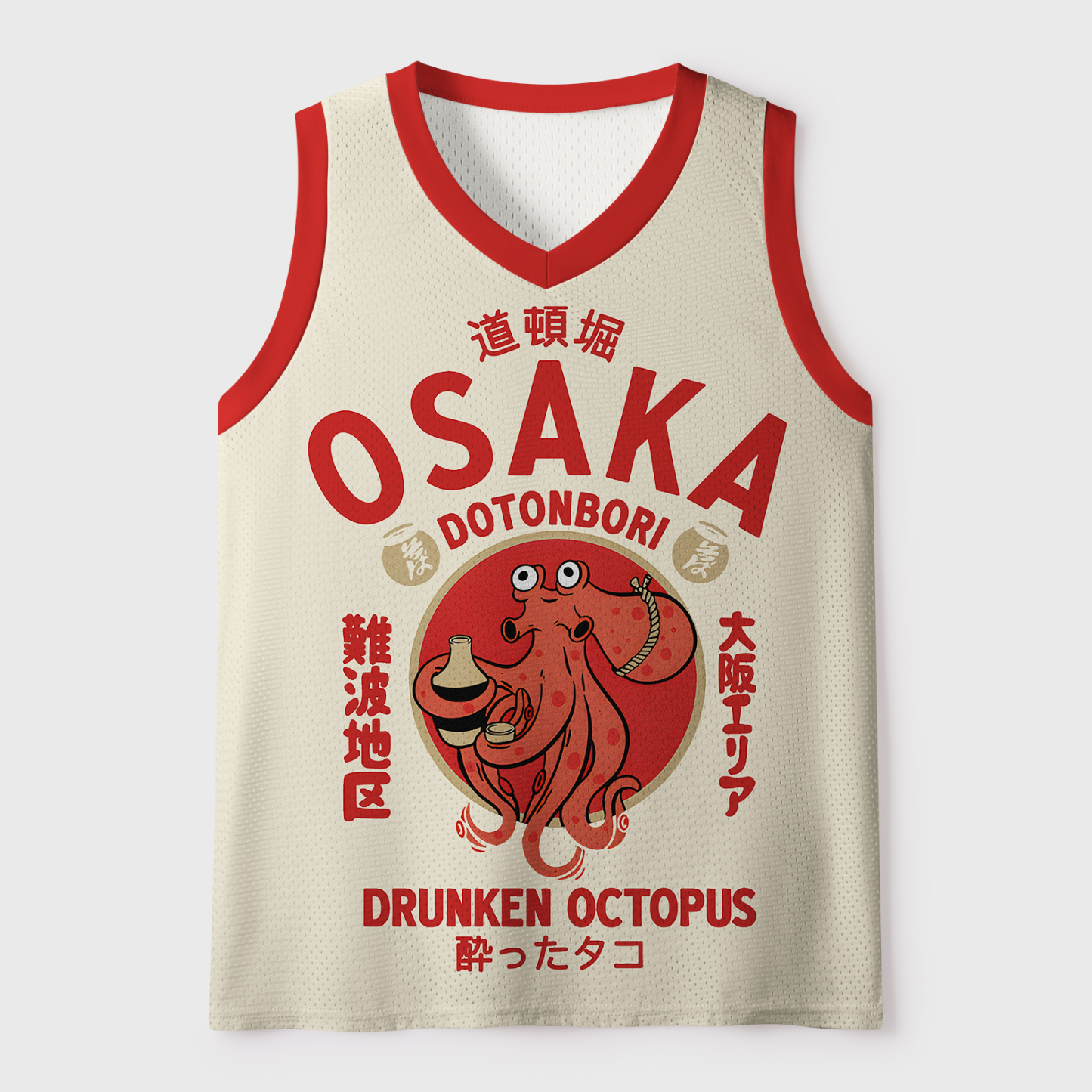
For conscious young consumers, this is important: fashion that feels good but also does good. By investing in pieces that respect the environment, you participate in a cultural and ethical tradition at the heart of Japan.
And that’s what sets the Tokyo-Tiger brand apart in global streetwear — purposeful fashion connected to deep cultural values.
Why Japanese Fashion Inspires the World
From minimalist architecture to digital art, Japan has shaped aesthetic conversations for decades. The influence of Japanese designers like Issey Miyake, Yohji Yamamoto, and Rei Kawakubo continues to inspire global trends — proving that fashion can be intellectual, emotional, and experimental all at once.
Tokyo-Tiger carries that legacy forward for a new demographic — mixing contemporary streetwear language with cultural meaning.
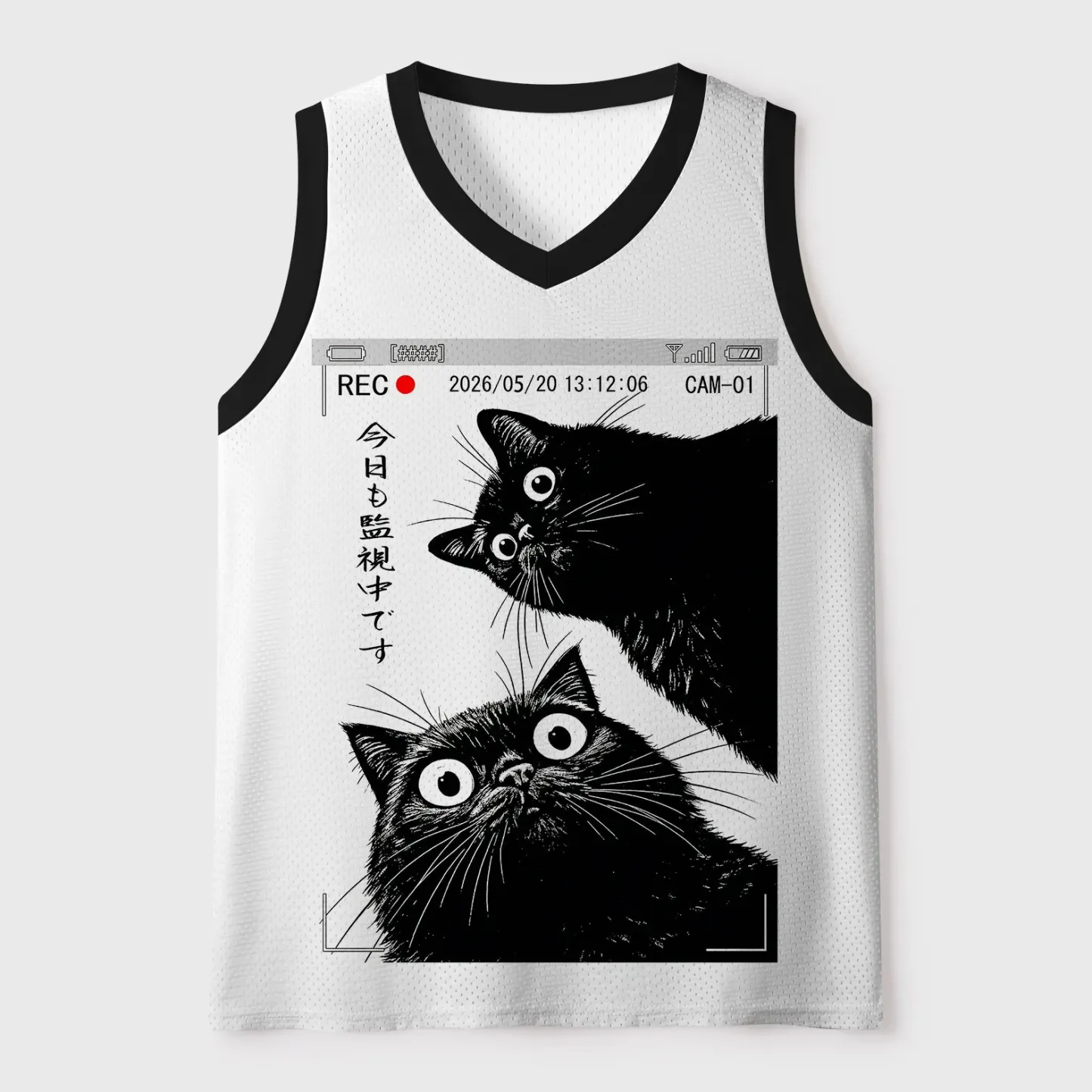
While Western fashion often chases attention, Japanese style creates emotion through subtlety. It’s about how a garment feels, moves, and ages — how it becomes part of your identity.
For global youth craving authenticity in a fast-changing world, this approach feels refreshing. A Japanese mesh tank top isn’t disposable; it’s an evolving part of your story.
The Future of Cultural Streetwear
Cultural fashion is evolving beyond aesthetics — it’s about values. Global youth expect their clothing to carry meaning, responsibility, and creativity. Tokyo-Tiger’s Japanese mesh tank tops represent this shift perfectly.
They blend performance and symbolism, traditional beauty and modern minimalism. Each piece invites dialogue — between Japan’s past and the global present, between culture and self-expression.
Tokyo-Tiger is not just selling clothes; it’s crafting bridges between worlds.
In the coming years, Japanese-inspired streetwear will continue to dominate global fashion conversations. But Tokyo-Tiger will always stand out because its vision goes deeper — rooted in a commitment to authenticity, artistry, and awareness.
So when you slip on a Janpan tank top this summer, you’re not just dressing for the heat — you’re dressing for meaning, movement, and cultural connection.