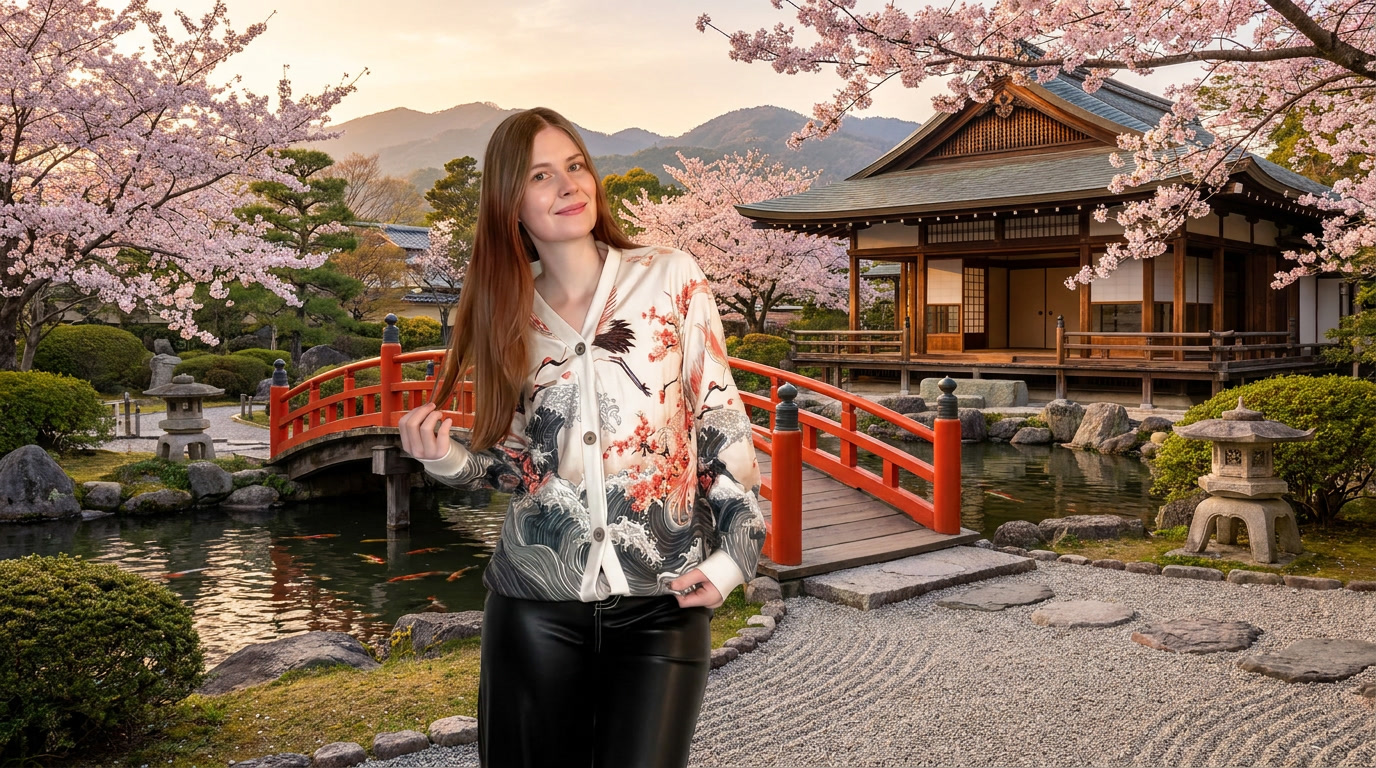
Japanese style clothing is not just “Japan-inspired fashion.” For people who love Japanese culture, it is a way to carry aesthetics, philosophy and history into everyday life. Every motif—sakura petals, curling waves, the silhouette of Mount Fuji—comes from deep visual traditions like ukiyo-e, kimono textiles and seasonal symbolism.
Tokyo-Tiger builds on these traditions and translates them into contemporary streetwear and casual clothing. The result is not costume, but wearable culture: pieces that speak to fans of Japanese art, anime, and history, and still feel natural in a modern city wardrobe.
This article dives into three key symbols in Japanese aesthetics—sakura (cherry blossoms), (nami, wave patterns) and Mount Fuji—tracing their cultural roots and exploring how they can be thoughtfully expressed in Japanese style clothing today.
Why Japanese Aesthetics Matter in Fashion
Japanese aesthetics are deeply rooted in the appreciation of impermanence, balance, and emotional atmosphere. Concepts such as wabi-sabi (beauty in imperfection), mono no aware (an awareness of life’s fleeting nature), and harmony with nature all influence traditional and contemporary design.
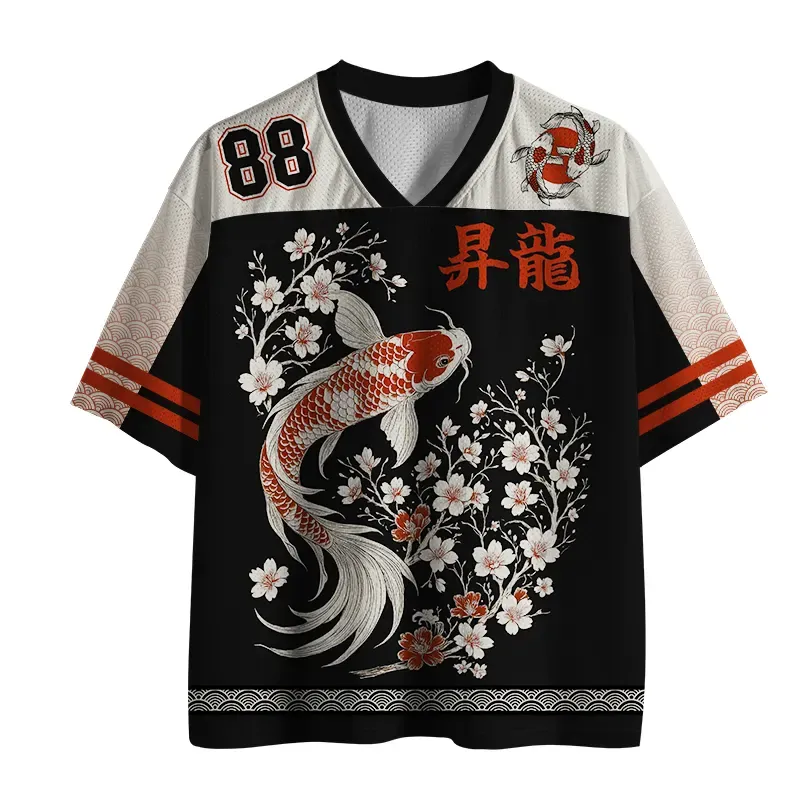
This is why vintage japanese t shirts often feels different from trend-driven fast fashion. A printed motif is rarely just decoration. It may symbolize resilience, seasonal change, luck, peace, or personal transformation. For shoppers who love anime-inspired style, street fashion, or Japanese art, understanding these symbols makes each piece feel more personal and meaningful.
If you are building a wardrobe inspired by Japan, learning the language of these visual elements can help you choose clothing that reflects not only your style, but your mindset.
Sakura: The Beauty of Fleeting Moments
Among all Japanese motifs, sakura—or cherry blossoms—are perhaps the most beloved. In Japan, sakura are more than pretty flowers. They represent the brief and beautiful nature of life. Because cherry blossoms bloom brilliantly and fall quickly, they have become a symbol of impermanence, renewal, and emotional sensitivity.
Cultural Meaning
Sakura are closely tied to spring, new beginnings, and the passing of time. They often appear in poetry, painting, seasonal festivals, and fashion. For many people, they also symbolize courage: the ability to bloom fully even when beauty is temporary.
How Sakura Appears in Clothing
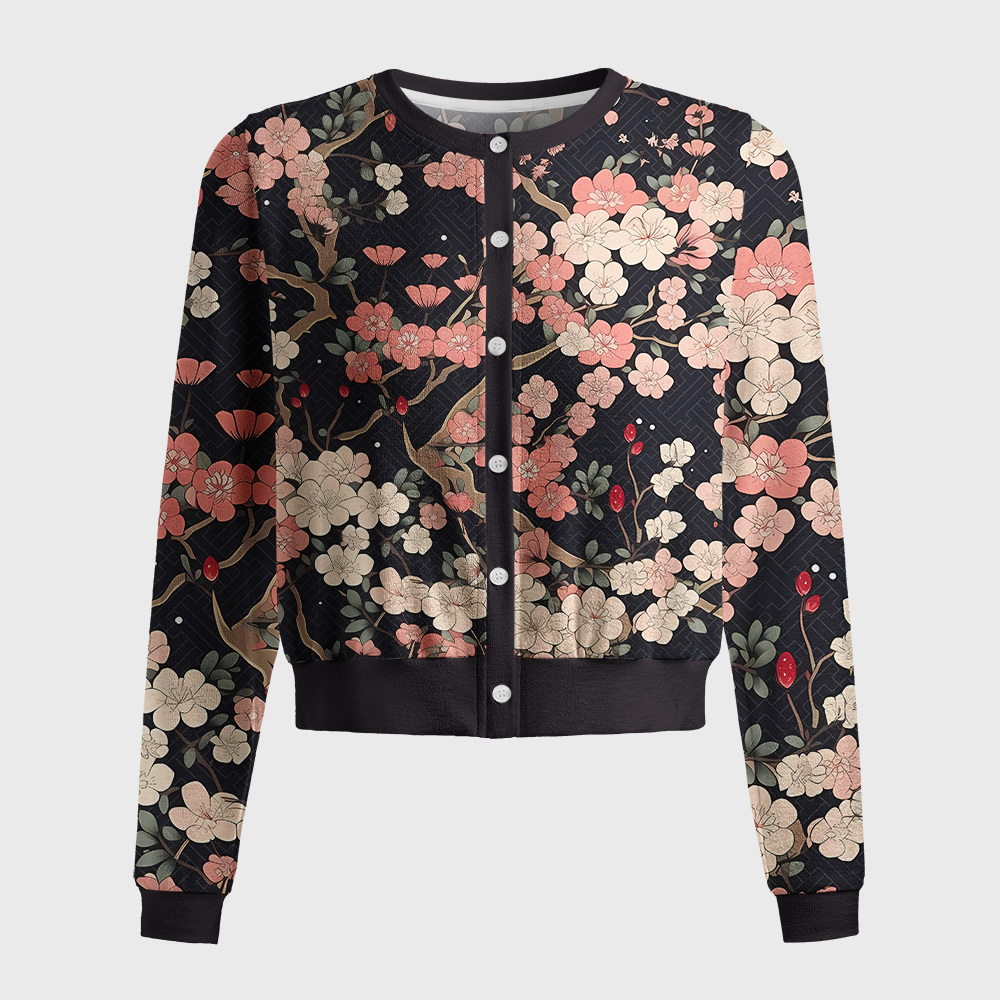
In modern Japanese style clothing, sakura motifs are often used in:
- Graphic T-shirts with soft pink accents
- Oversized hoodies featuring falling petals
- Jackets that combine floral imagery with kanji or urban elements
- Streetwear pieces that balance delicate artwork with bold silhouettes
What makes sakura especially versatile in fashion is contrast. A floral design can soften a black oversized tee, add emotional depth to a statement hoodie, or create a poetic balance in an otherwise edgy streetwear look.
Style Tip
If you want a piece that feels expressive but easy to wear daily, sakura prints are ideal. Pair a sakura graphic shirt with black cargo pants, neutral sneakers, and simple accessories for a look that feels artistic without becoming costume-like.
The Seigaiha Wave Pattern: Strength, Peace, and Flow
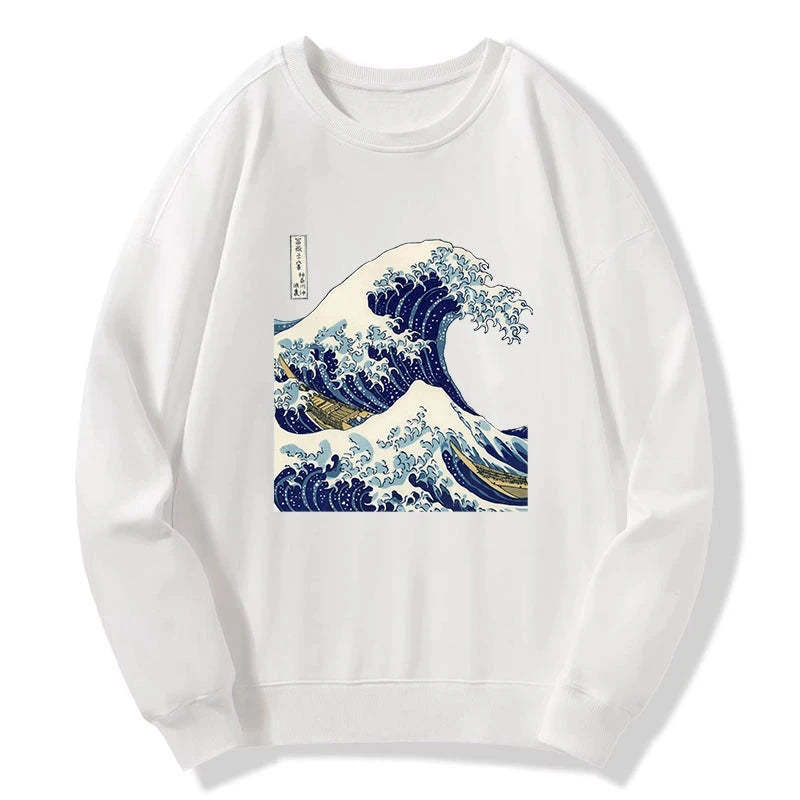
Another powerful symbol in Japanese design is the wave motif, especially the classic seigaiha pattern. This repeating arc pattern resembles layers of ocean waves and has been used in Japanese textiles, ceramics, and kimono for centuries.
Cultural Meaning
Waves symbolize the sea’s endless movement and the continuity of life. In Japanese culture, they often represent:
- Resilience
- Good fortune
- Peaceful living
- The ability to move forward through change
Unlike chaotic storm imagery, traditional wave patterns often communicate calm power. They suggest strength without aggression—an idea that fits beautifully into fashion.
How Waves Are Used in Modern Apparel
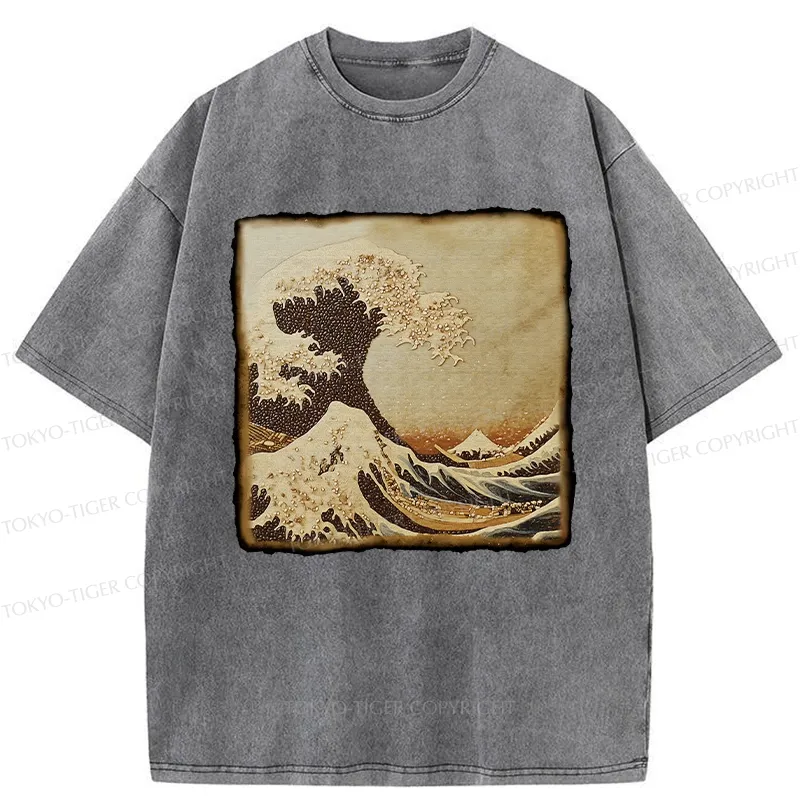
Wave graphics are particularly effective in Japanese streetwear clothing because they add rhythm and movement to a design. Today, they appear in:
- Monochrome tees with blue wave linework
- Hoodies combining waves with tigers, koi, or samurai-inspired graphics
- All-over prints that blend traditional patterns with urban cuts
- Minimalist designs where a wave detail creates subtle cultural depth
For brands like Tokyo-Tiger, wave imagery works especially well because it bridges heritage and modernity. It can feel timeless yet energetic, making it a smart choice for shoppers who want cultural authenticity in casual wear.
Style Tip
If you are new to Japanese-inspired fashion, wave patterns are one of the easiest motifs to start with. They are bold enough to stand out but neutral enough to pair with jeans, joggers, or layered outerwear.
Mount Fuji: Identity, Aspiration, and Quiet Power
No symbol is more iconic in Japanese visual culture than Mount Fuji. Revered in art, religion, travel, and national identity, Fuji is not simply a mountain—it is a spiritual and emotional landmark.
Cultural Meaning
Mount Fuji often represents:
- Endurance
- Inner calm
- Aspiration
- National pride
- Natural beauty
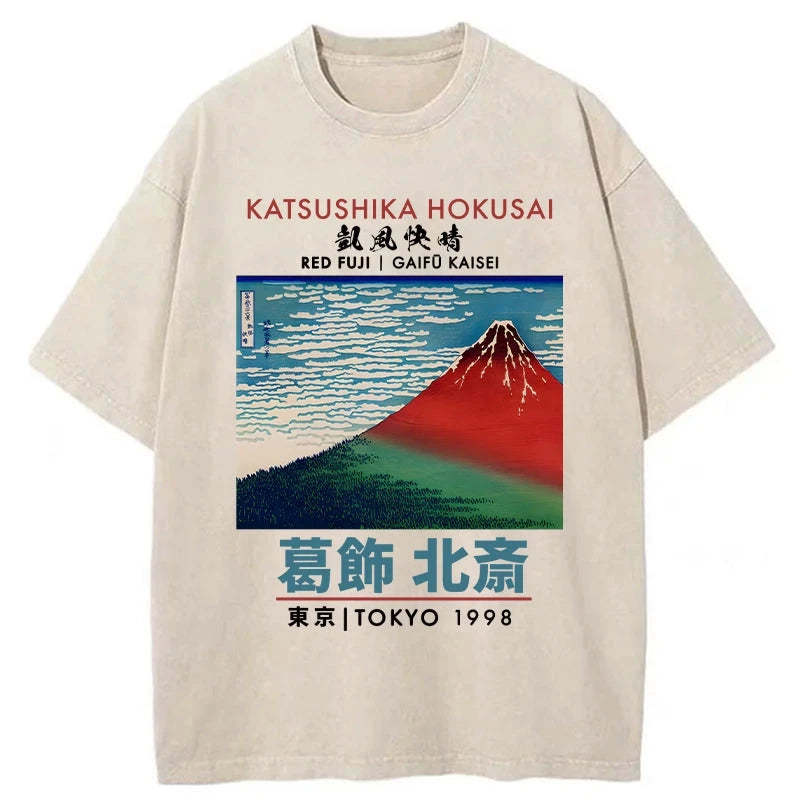
Historically, it has inspired woodblock prints, pilgrimage traditions, and countless works of art. In clothing, Fuji carries a sense of stillness and grandeur. It can make even a simple garment feel rooted in place and meaning.
How Mount Fuji Translates Into Fashion
In Japanese style clothing, Mount Fuji designs range from minimalist outlines to dramatic graphic scenes with sunrises, clouds, cranes, or waves. These visuals are commonly seen on:
- Statement graphic tees
- Artistic hoodies
- Back-print streetwear jackets
- Travel-inspired or nature-themed collections
Fuji motifs are especially appealing to customers who want a stronger connection to Japan itself—not only to pop culture, but to the country’s natural and artistic heritage.
Style Tip
Choose Mount Fuji prints when you want a design that feels iconic and grounded. They work well as centerpiece items—especially oversized tees or sweatshirts paired with understated basics.
Why These Symbols Work So Well in Modern Japanese Streetwear
The beauty of modern Japanese style clothing lies in how it combines traditional symbolism with contemporary form. A hoodie can carry centuries of cultural meaning. A T-shirt can feel both wearable and collectible. This is what makes Japanese-inspired fashion so compelling for global audiences.
For many shoppers, the real challenge is this: how do you wear culturally inspired clothing without it feeling forced?
The answer is balance.
Choose one strong motif—sakura, waves, or Mount Fuji—and build your outfit around it. Let the print tell the story. Keep the rest of the styling clean, modern, and practical. This creates a look that feels intentional, respectful, and expressive.
How to Choose Japanese Style Clothing That Feels Authentic
If you love Japanese culture and want clothing that reflects that interest, here are a few practical tips:
1. Look for Meaning, Not Just Decoration
Choose pieces with symbols that resonate with you personally. If you connect with new beginnings, sakura may be the right choice. If you value resilience, wave motifs may feel more fitting.
2. Prioritize Wearability
The best Japanese-inspired fashion works in real life. Go for pieces you can style with your existing wardrobe—oversized tees, hoodies, relaxed tops, and versatile layers.
3. Choose Designs That Blend Art and Everyday Fashion
Great Japanese style clothing should feel expressive without being hard to wear. That balance is what turns a graphic item into a wardrobe favorite.
4. Shop From Brands That Understand Cultural Storytelling
A strong Japanese fashion brand does more than print symbols on fabric. It translates culture into design in a way that feels modern, emotional, and accessible.
Why Japanese Style Clothing Is More Than a Fashion Trend
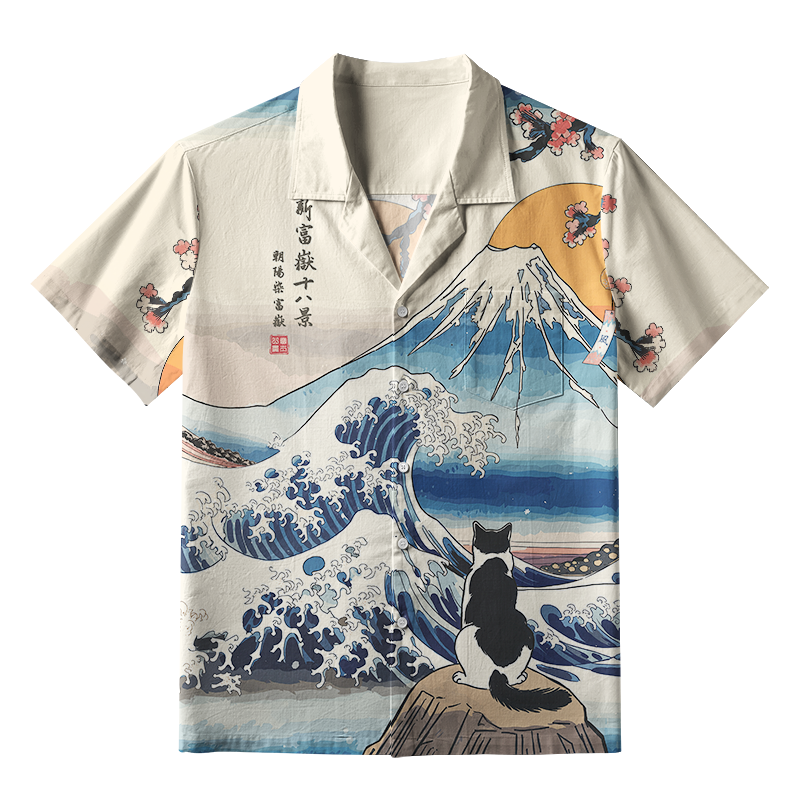
Japanese aesthetics continue to inspire fashion because they speak to something deeper than trend. Sakura reminds us to cherish beauty while it lasts. Waves teach us to move with strength and grace. Mount Fuji stands as a symbol of calm ambition and identity. When these motifs appear in Japanese style clothing, they do more than decorate—they create connection.
For people who love Japanese culture, fashion becomes a meaningful way to wear art, history, and emotion in everyday life. Whether you prefer bold streetwear or more subtle graphic pieces, understanding the stories behind these symbols can help you choose clothing that feels authentic to both Japan and yourself.
FAQs
1. What are the most common symbols used in Japanese style clothing?
Some of the most common motifs include sakura (cherry blossoms), wave patterns, Mount Fuji, koi fish, cranes, dragons, and kanji typography. Each carries its own cultural meaning and adds depth to the design.
2. How can I style Japanese style clothing without looking overdone?
Start with one statement piece, such as a graphic tee or hoodie, and pair it with simple basics like black pants, denim, or neutral sneakers. Let the motif be the focal point of your outfit.
3. Why do cultural motifs make Japanese streetwear more appealing?
Cultural motifs give clothing narrative and emotional value. Instead of wearing a generic print, you wear a symbol with history, meaning, and artistic identity—making the style feel more personal and memorable.